2010–2012
NEXO
Although Plan Ceibal explicitly includes children with disabilities, we found that children with motor impairments were not able to use the XO computers.
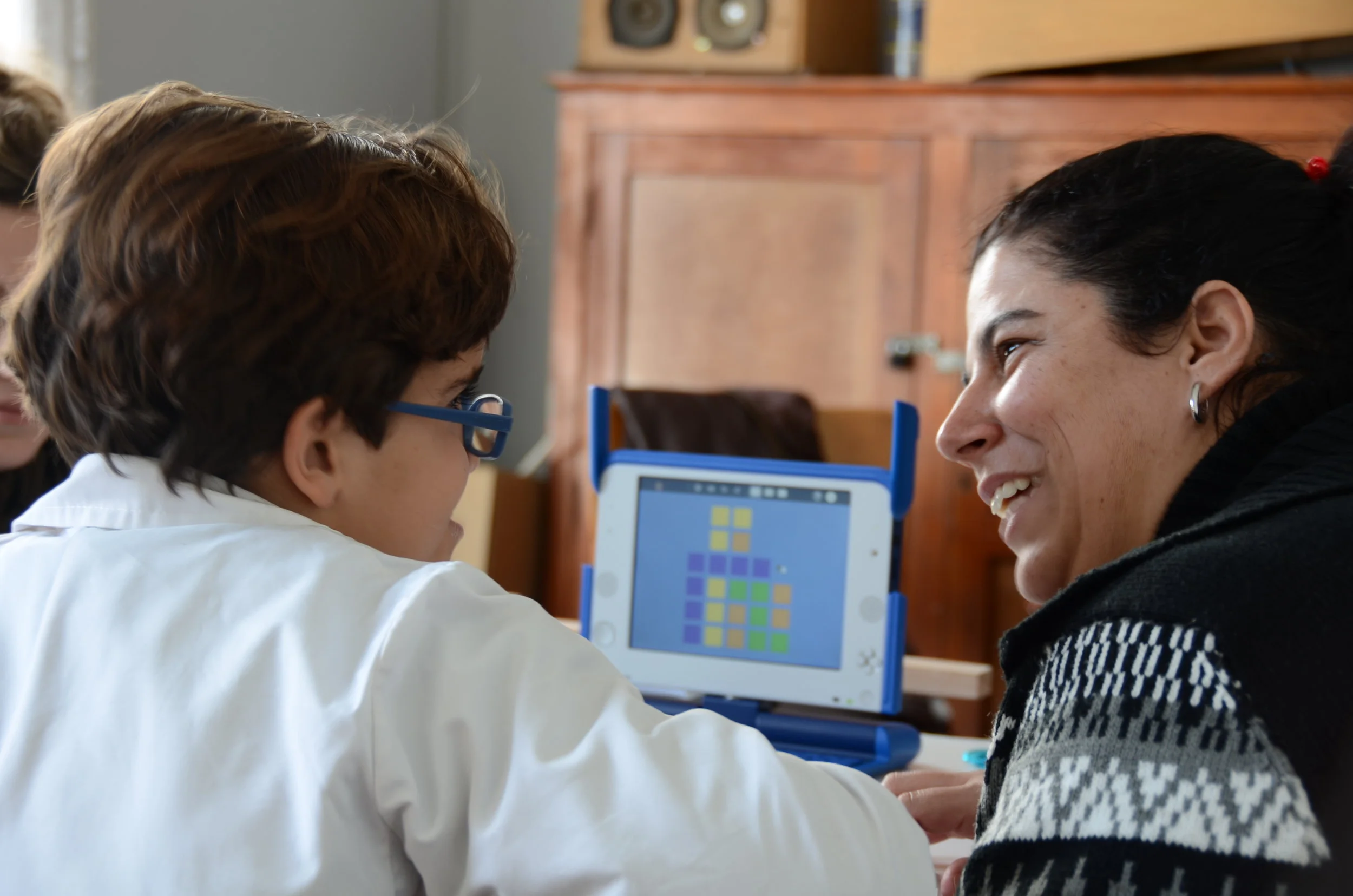
The One Laptop Per Child (OLPC) programme aims to provide each child in developing regions with a connected laptop to address the digital divide and to allow them “to become connected to each other, to the world and to a brighter future.” Uruguay, through its governmental project Plan Ceibal, was the first country to achieve ‘full deployment’ status after successfully delivering an XO laptop to every public-school child between 6 and 12 years old.
Although Plan Ceibal explicitly includes children with disabilities, we found that children with motor impairments were not able to use the XO computers. The NEXO project (2011–2012) aimed to create alternative and personalised interfaces to include users with motor disabilities.
Working with Uruguay's only public school for children with motor impairments, a set of alternative interaction schemas and applications were developed:
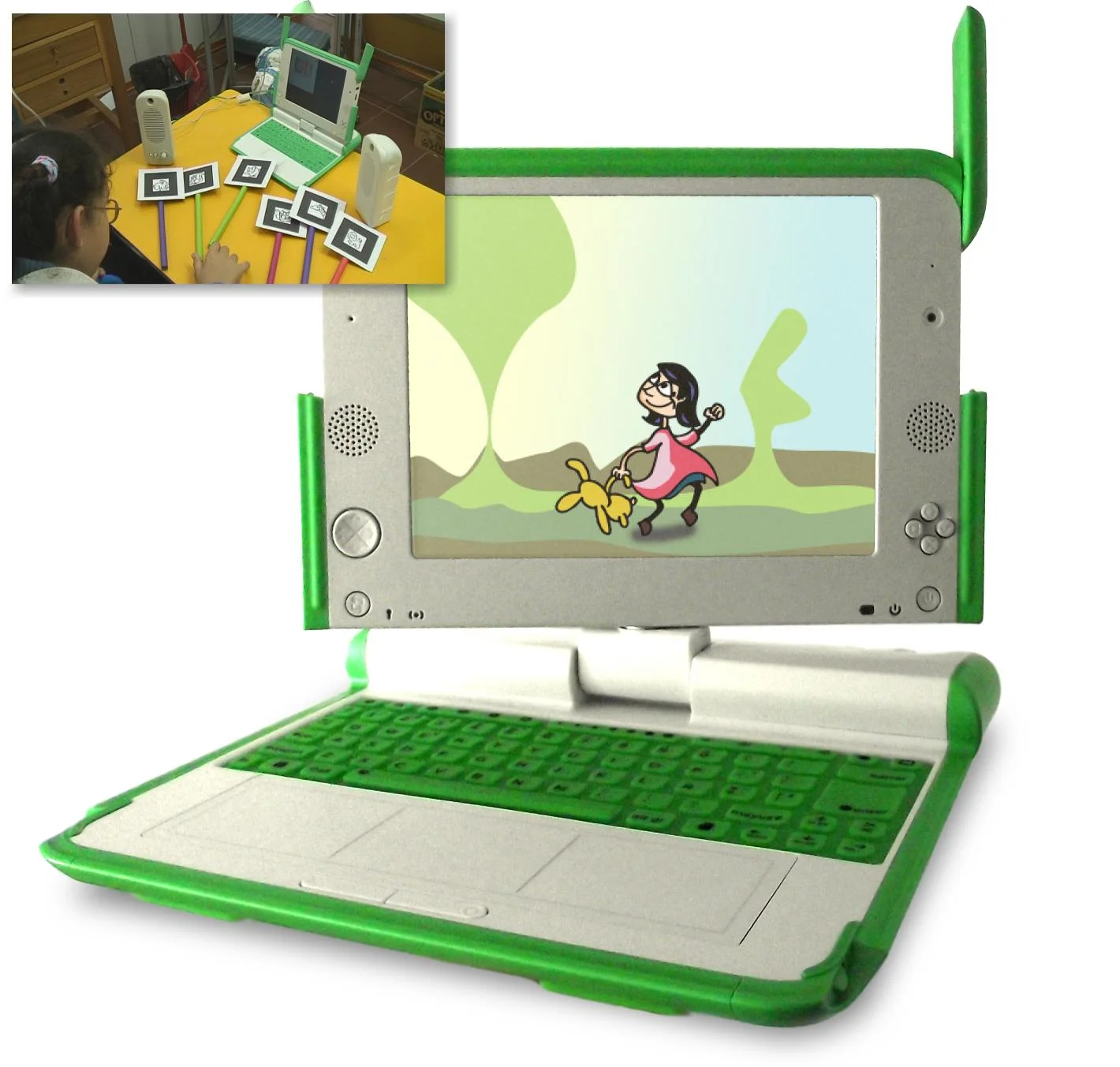
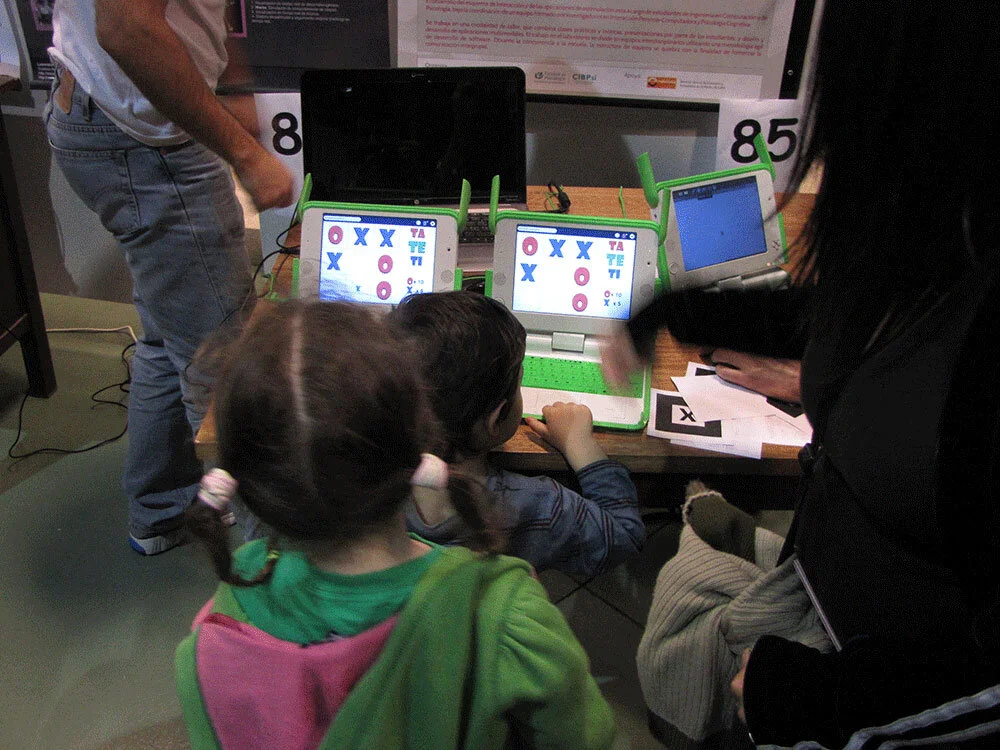
Interactive Narrative. A set of interactive stories with interfaces based on computer-vision techniques that allowed users to explore narrative spaces.
Tangible Interaction. MakeUY, an XO-compatible version of Makey Makey, paired with simple video games that offered an easy entry to the XO world.
Flexible Interaction. NEXO's most powerful idea was to address the significant differences within its target population by creating a flexible paradigm in which teachers could modify and adapt the interfaces to the needs of each user.
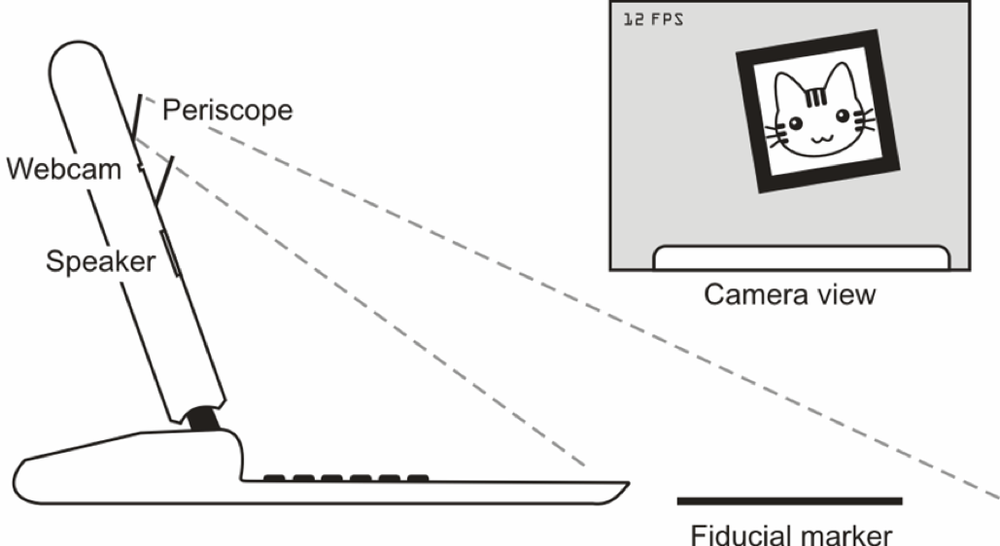
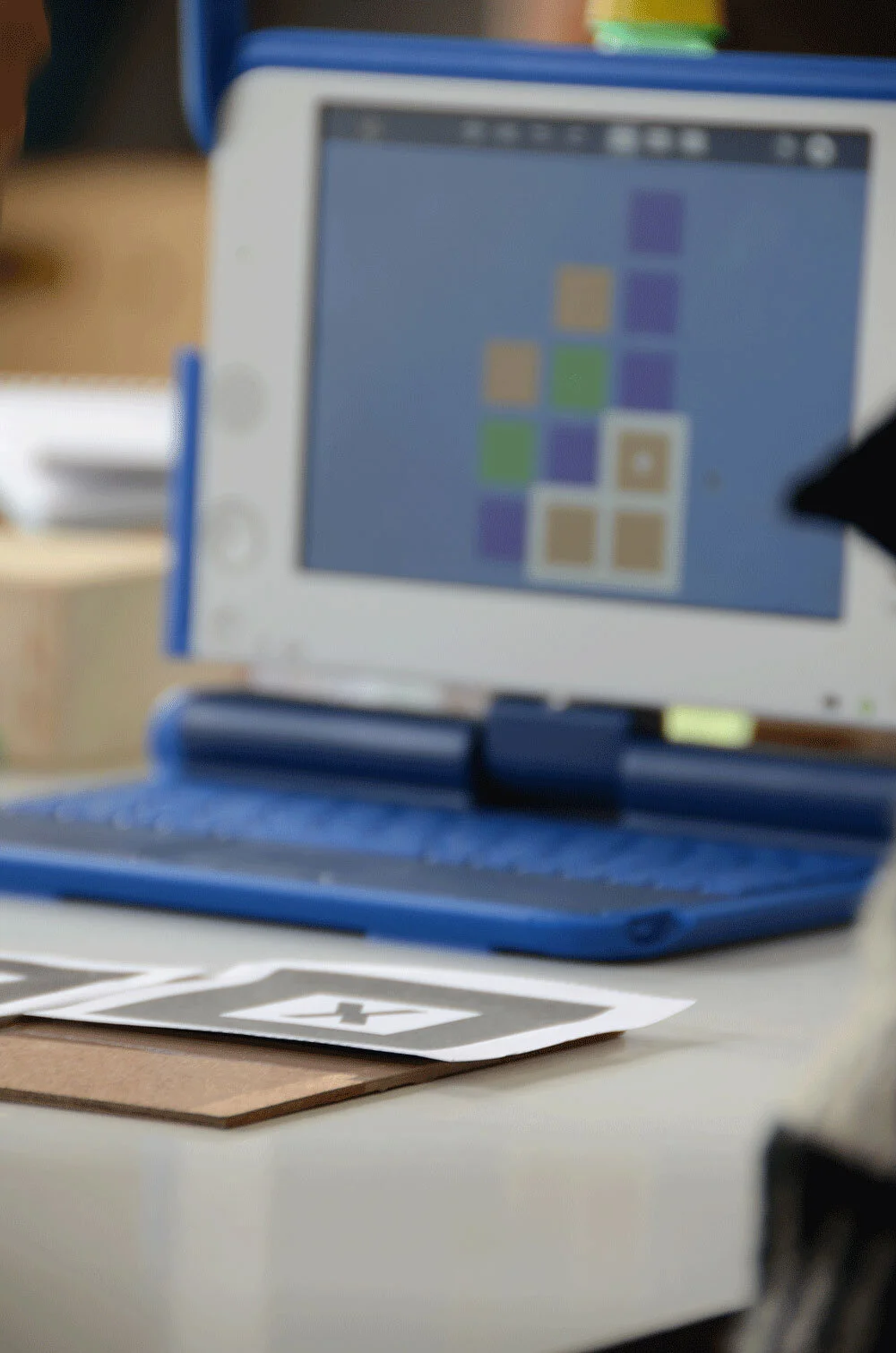
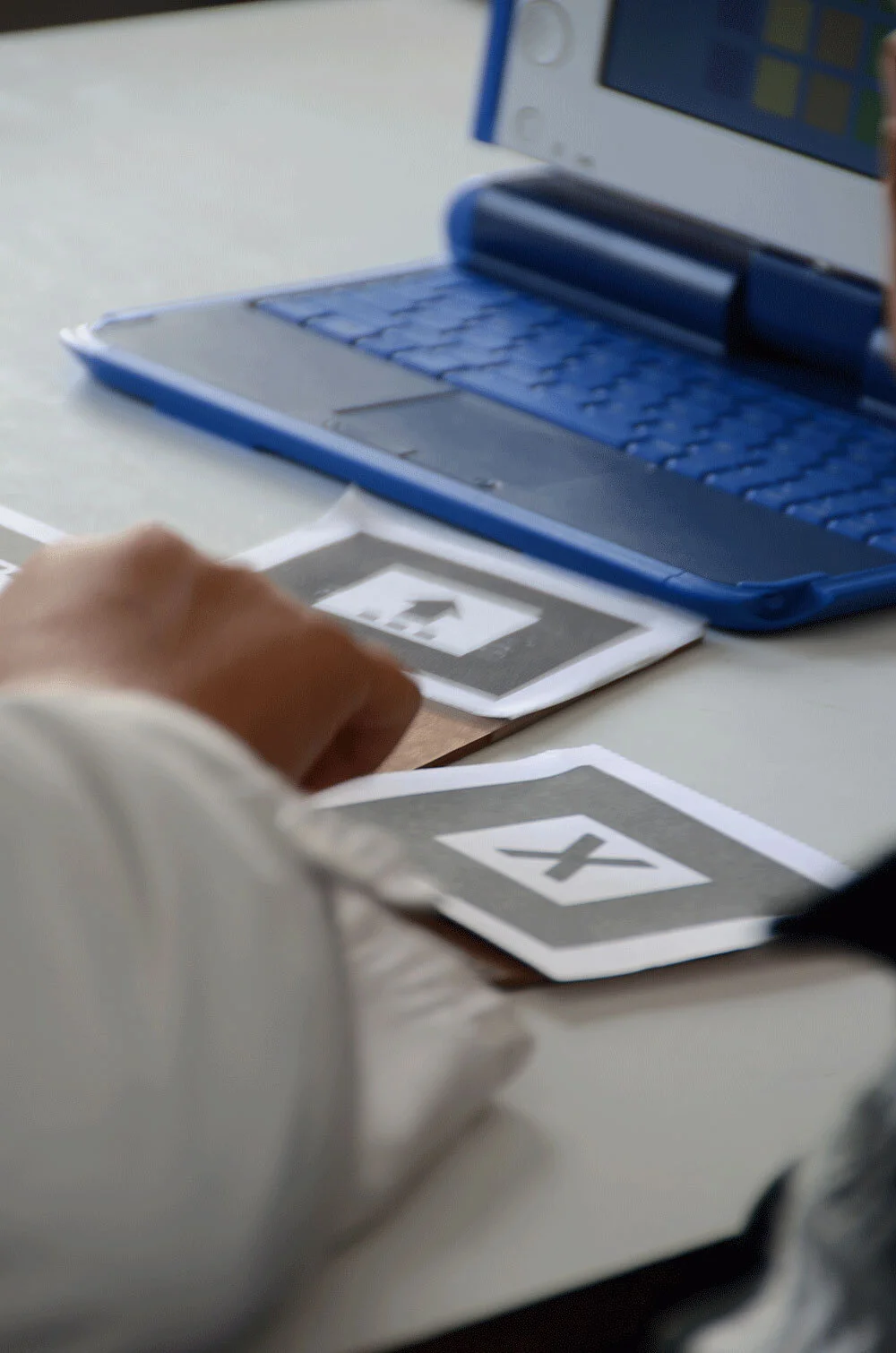
We created periscopes that allowed the XO's webcam to see the space in front of the keyboard. Our OpenCV-based system was then able to use that space as an effective interaction area, and teachers could design and print custom-made paper-based tangible interfaces.
The project also aimed to evaluate the impact that incorporating these new technologies would have on the psychomotor development of children with motor impairments.
Although very preliminary, the project produced encouraging results. Within NEXO, we created a database of clinical evaluations of 24 children, as well as 22 reports created by students of UDELAR's School of Psychology.
Credits
NEXO was a research project of the Laboratorio de Medios at UDELAR, in collaboration with UDELAR's Centro de Investigación Básica en Psicología.
The research team comprised Tomas Laurenzo (PI), Gustavo Armagno, Ana Martín and Cristina Palás.
Related research was carried out by Armagno as part of his MSc work.
Publications and conference presentations:
A. Martín, G. Armagno, T. Laurenzo. An interdisciplinary education space for tackling accessibility problems of the One Laptop Per Child program (in Spanish). Journal UNAM.MX. Mexico City, Mexico. 2012.
T. Laurenzo, G. Armagno, A. Martín and C. Palás. XO accessibility. Research and innovation for equality: challenges for Latin-American psychology (in Spanish). UDELAR. Montevideo, Uruguay. February 2011.
T. Laurenzo, G. Armagno. Building Accessibility Stories: Enabling Multi-Sensory Experiences within the OLPC program in Uruguay. Proceedings of the International Symposium on Electronic Art, ISEA 2011, Istanbul, Turkey.
T. Laurenzo, G. Armagno. Accessibility and Education (in Spanish). IV Forum on Innovation in Higher Education. UDELAR, Montevideo, Uruguay, 2010.
G. Armagno, M. Bonilla, S. Marichal, T. Laurenzo. Designing interfaces for children with motor impairments: An ethnographic approach. Proceedings of the XXIX International Conference of the Chilean Computer Society, SCCC 2010, Santiago de Chile, Chile.