2026
Memoriae Urbis
Memoriae Urbis (Memories of the City) is a generative moving-image work in which an ordinary urban present appears saturated with inherited memories.
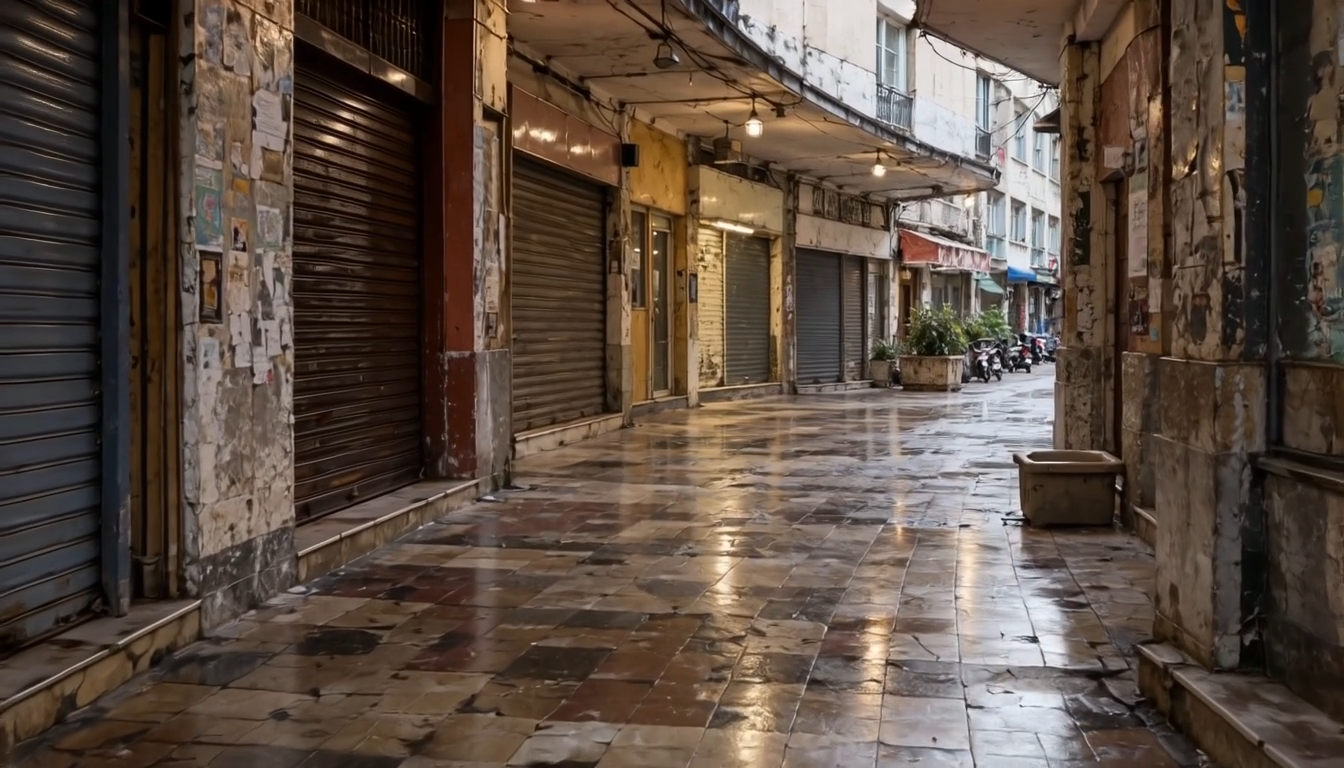
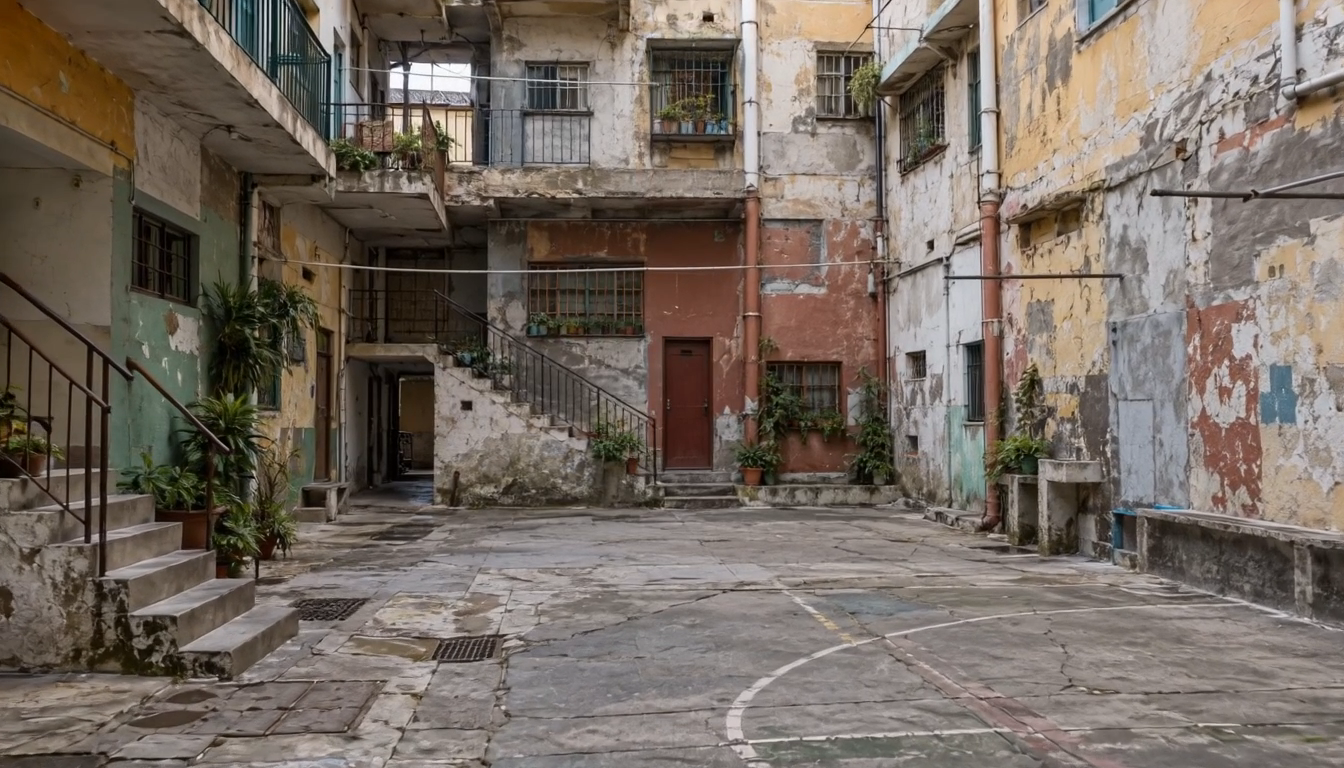
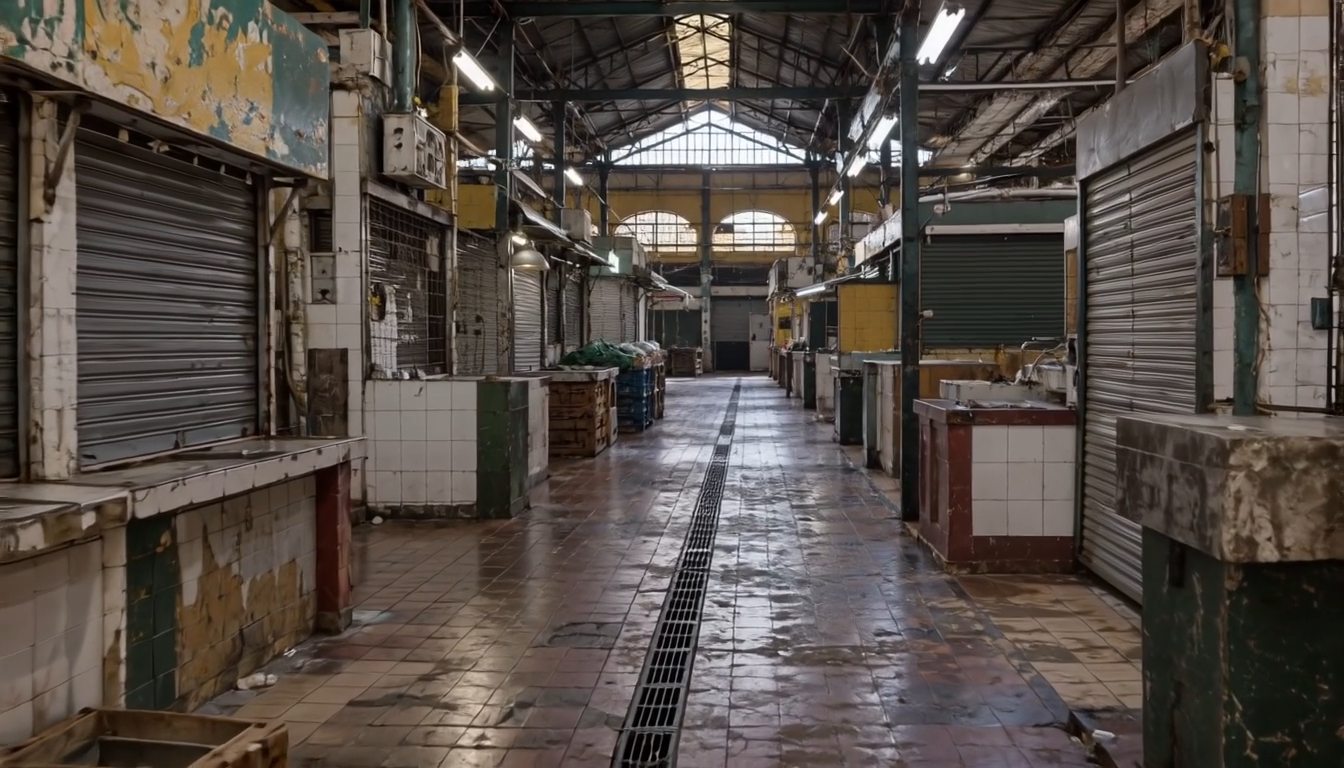
Memoriae Urbis (Memories of the City) is a generative moving-image work in which an ordinary urban present appears saturated with inherited memories. Its streets display evidence of duration, repair, regulation, adaptation, use, weathering, and growth, although no coherent historical process can explain how those signs accumulated together.
The work does not construct a futuristic city or expose artificiality through deformation. Each shot reads first as a plausible present-tense observation of a street. Buildings carry replaced windows, blocked openings, extensions, and retrofits. Asphalt records repeated utility cuts. Curbs and drains have been altered. Rust, water stains, mature vegetation, obsolete infrastructure, posters, graffiti, and worn thresholds imply time. These are not illustrations of a past. They are material residues active within the present.
The central proposition is: the synthetic image inherits the appearance of history without inheriting history itself. Historical thickness names the visible effects of temporal processes whose causal sequence is absent, displaced, or incompatible. A repaired road implies damage, labour, regulation, and time; a mature tree implies growth; a surviving rail implies planning and institutional persistence. A generated image can present these consequences without possessing the history that would ordinarily connect them.